
Practical guides and food writing for Australian cafe founders, to help you plan your menu, understand your numbers and open with confidence.
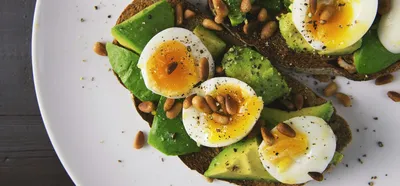
Most cafe menus are built the wrong way round. Founders start with dishes they love and work forwards. By the time the doors open, the menu is trying to do three incompatible jobs at once.

Most new cafe founders search for a template, hoping for a Word document they can fill in. Honestly, a template is the wrong place to start. A cafe business plan isn't a form. It's the record of hundreds of decisions made in the right order, and it has to hold up in front of a lender, a landlord and your own future self.
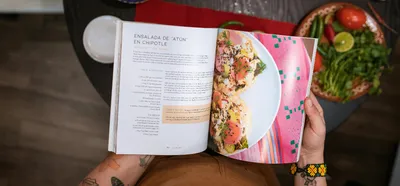
Australia is a tough market for cafes. The ones that last tend to share a pattern, and it usually isn't better coffee or a better location. It's a set of menu decisions made before the doors opened. Get those right and the cafe has every chance to thrive past year one.

First time cafe founders almost always overshoot on menu size. The instinct is to give every customer something they like, and you end up with a 35 to 40 item menu the kitchen cannot deliver well. The cafes that thrive past year one tend to land somewhere between 15 and 25 items, They get there by deciding who their customer is, before any list gets written.

First time founders often Google this question hoping for one clean number. The honest answer is a range, and it's wide. An Australian cafe costs anywhere from $80,000 for a coffee cart to $500,000 or more for a fitted kitchen, depending on format, location, and how much of the work you can do yourself.
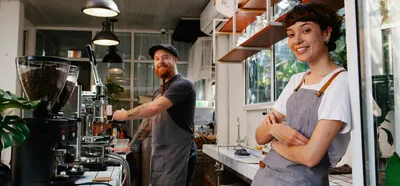
Learn to cost a cafe menu properly and you take the guesswork out of pricing. You see which dishes actually make money, and you catch the ones quietly losing it before they do real damage. Few skills pay back faster for a cafe owner.

Signing a cafe lease commits you to 5 to 10 years of rent before you have made a single sandwich. The structure of that lease, the clauses inside it, and the negotiation you do or do not do before signing will shape your cash position for the entire term. Get it right and the lease is one of the cafe's foundations. Get it wrong and the next decade is spent trying to climb out from under it.

Pricing a cafe menu is part maths, part psychology, and part understanding your suburb. Get the maths right and every dish carries its margin. Get the psychology right and the most profitable dishes are the ones customers order. Get the suburb right and your prices feel fair to the people who live and work nearby.

A cafe menu is the only piece of marketing every customer reads. They look at it before they order, while they wait for their coffee, sometimes again before they leave. How it is written shapes what they order, what they remember, and whether they tell a friend.
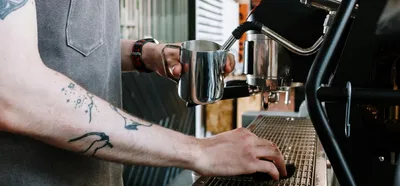
Food cost percentage is the single most useful number a cafe owner tracks. Get it right and every dish on the menu pays its share of the rent. Get it wrong and the bestsellers quietly drain the bank account while looking like winners on the menu. The standard answer (28 to 35%) is a starting point, not the answer for your cafe.
ATO benchmarks show whether your cafe's costs sit where a healthy cafe's should. If cost of sales or total expenses run well outside the published range for your turnover, your pricing is off, your buying is loose, or the books need a closer look. They're free, and for a founder they're one of the clearest ways to pressure test a plan before opening day.
Small hospitality businesses have problems of their own, and they often go without the support they need. HospoSure gives local cafes and venues hands on expertise, practical tools and support shaped to their area, which is good for the business and for the local economy. When a council or business program partners with us, its community gets direct access to people who have actually run hospitality businesses.

Team culture doesn't get talked about as much as coffee or rent, but it decides a lot. It shapes your service, your consistency and how long your best people stay. You build it on purpose, in how you lead, talk to and train your crew, and customers feel it. So does your bottom line.
How much does it cost to run a cafe at a profit? Startup costs are only the beginning. The real skill is knowing your running costs and how they fit together, because planning and modelling are what keep a cafe going for years. The traditional cost breakdown is a good base model to start from.
A cafe that runs well starts with the right ingredients, used the right way. They decide your consistency, your costs and whether customers trust you, and small calls at the buying and prep stage add up across every plate. Get them right and you protect quality and margin at the same time.

Good cafe operations don't start with apps or subscriptions. They start with clear financials and a menu that suits your concept, location and customers. Get that right and picking the rest of your tools gets much easier, because you already know what the business needs.
You can have great coffee, a carefully costed menu, smooth service and a solid business model, and still trade to an empty room if nobody knows you're there. Marketing is how customers find you. Being seen is only the start, though. You want to be remembered, and chosen.
Few jobs in a cafe matter more than building the menu. A good one appeals to the customers you want, plays to what your kitchen does well, and pays its way. A poor one brings complaints, wastage and cost. The difference usually comes down to a handful of choices made early and on purpose.
Running a cafe means juggling several things at once. Staffing, stock, money and service all pull on each other, and getting them to work together is the difference between a cafe that runs smoothly and one that lurches from rush to rush. The good news is you can learn all of it, as long as you have clear information to work from.
Overheads are the costs a cafe carries whether it sells one coffee or a thousand: rent, insurance, power, software, accounting. Nobody talks about them the way they talk about food or wages, and that's exactly why they creep. Leave them alone and they quietly eat your margin. Keep an eye on them and they're one of the easiest parts of the business to keep in line.
Your suppliers sit behind every plate and cup you serve, so choosing them well matters more than it first appears. A good supplier protects your quality, your reputation and your margin. A bad one disrupts service and sends customers down the road. Four criteria make the choice much easier.
Starting a cafe asks for a shift, even with years of hospitality behind you. Running your own place takes skills you didn't need as an employee, and enthusiasm won't carry the business on its own. Getting your head around the numbers is where cafe startup planning begins.
Most first time founders open with a menu they guessed at, priced by eye and never costed. A cafe recipe library fixes that. It's a set of pre-costed recipes, written by experts for batch prep, that you drop straight into your menu and your numbers. You get a chef's judgement on what to serve and what it should cost, without paying a chef's salary.
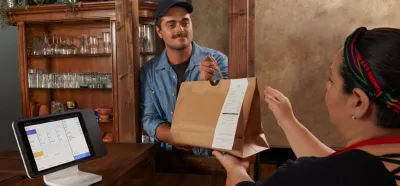
Setting up a cafe means getting your menu into your point of sale before you can take a single order. Type it in by hand and you spend an evening retyping prices, categories, and modifiers you already worked out once, with a fresh chance to mistype a price on every line. Square POS cafe integration skips that. A menu you have already costed exports straight to Square, priced and structured, ready for opening day.
Opening a cafe in Australia is part creative project, part small business, and the second part is where most first time founders come unstuck. Other guides answer the cost question with a range so wide you cannot plan against it. This one costs a single 30 seat cafe line by line: $290,100 in capital, $695,000 a year in turnover, break even at 116 customers a day. Every assumption is on the page, so you can swap in your own and watch the numbers move.
A cafe food cost calculator does one job, and it decides whether a menu makes money: it tells you what a dish actually costs to make, as a percentage of what you sell it for. Get that number right on every item and you price to a margin. Get it wrong, or skip it, and you can be flat out all day and still lose money on the plates leaving the kitchen.
A cafe financial model is the plan in your head turned into numbers you can test. Before you open, it answers the question that matters most: on realistic trade, does this cafe make money, and does it have the cash to last until it does? Build it honestly and you'll find the problems while they're still lines in a spreadsheet, before they're signatures on a lease.
Your point of sale is the till, the menu, the payments, and the sales data all in one, and it is one of the first operational choices a new cafe locks in. Choose well and it speeds up service, keeps your prices honest, and tells you what is selling. Choose on price alone and you can end up paying monthly for features you never use, or fighting a system that slows the morning rush.
Almost every cafe founder starts in a spreadsheet, and for a while that is the right call. It is free, it is flexible, and you already know roughly how it works. A spreadsheet can model a cafe. What matters is what it costs you to keep one honest once the menu grows past a dozen dishes and supplier prices start moving.
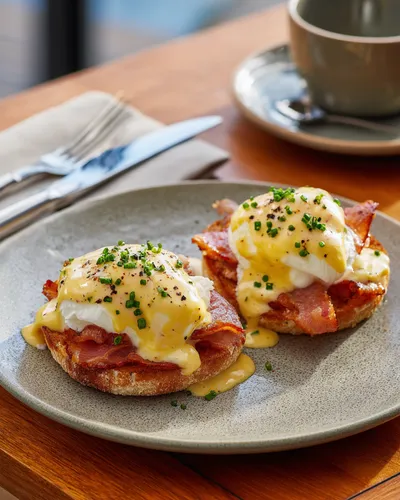
Few dishes get judged as closely as a cafe's Eggs Benedict. It's the brunch test, the dish customers compare from cafe to cafe and remember when one stands out. The four components are simple. Getting them right isn't, and the cafes that do have built a loyal crowd of regulars on the back of one well made plate.
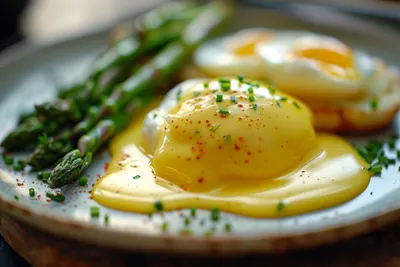
Hollandaise is the most temperamental sauce on a cafe brunch menu. It splits, it cools, it grows bacteria, it dies under the heat lamp. Why it fails is predictable. Why cafes keep making it from scratch anyway is mostly emotional. So let's be honest about what good hollandaise looks like in a cafe doing 200 covers on a Saturday.
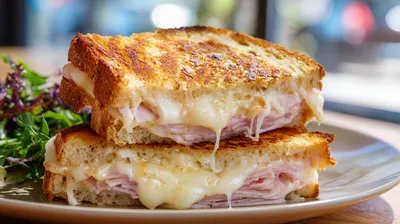
Australia loves a sandwich, and on cafe menus the Croque Monsieur gets overlooked. It shouldn't. It's one of the few sandwiches that's better in a cafe than at home, the technique is easy to repeat, and the margins (when you cost it properly) are excellent.
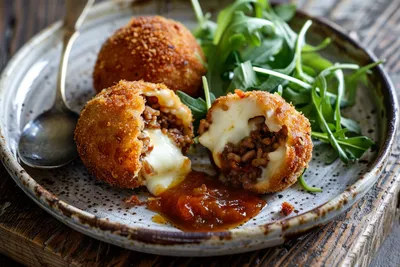
If you want to know whether a cafe kitchen is any good, order the Arancini. It has nowhere to hide. The risotto, the chill, the form, the crumb, the fry and the cheese pull each show how the kitchen thinks. Get one of them wrong and the customer finds out the moment they cut in.
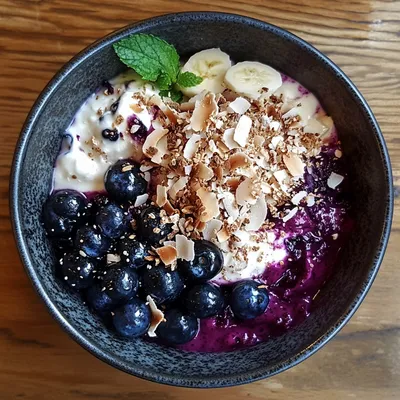
Overnight Oats look like the easiest dish on a cafe menu. Soak oats, leave them overnight, scoop into a bowl, top with fruit. But the version customers come back for depends on four small things the recipe never quite explains: the chia ratio, the whisk, the age of the mix and the toppings. Get those right and the dish runs at 15 to 20% food cost and still looks generous on the plate.
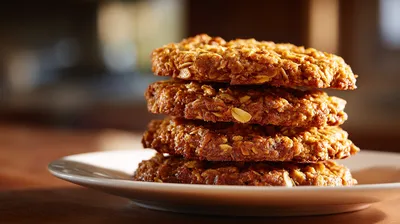
Anzac Biscuits are close to sacred in Australia. Cafes all over the country sell them, especially in late April. The one worth selling is chewy, golden and rich with caramelised golden syrup, and the difference between that and a hard, dry biscuit comes down to one moment in the method: the bicarb. Get that right and the rest of the recipe is easy.
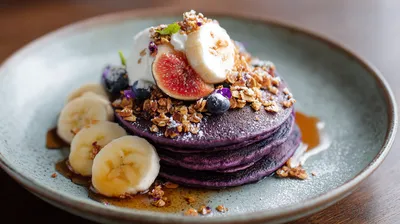
Acai divides Australian cafe owners. Some see a wellness fad that peaked in 2018. Others see a quietly profitable dish that brings in customers they weren't catching before. Both are partly right. Chasing a trend is a poor reason to put acai on the menu. Who orders it and what it earns are good ones.
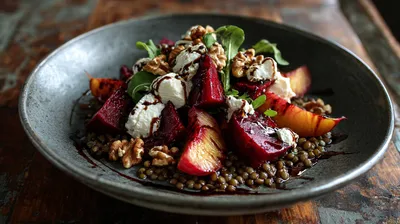
Cafe salads have a problem: most of them aren't very good. The lettuce is tired by 14:00, the dressing is too heavy or too light, the protein feels like an afterthought, and customers leave still hungry. The bowl (warm grains as a base, layered components, generous protein) has quietly fixed what salads got wrong, and the difference comes down to how the dish is built.
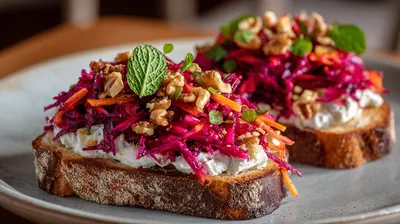
Bruschetta got tired in Australian cafes around 2010. The format of that era (soft Turkish bread, watery tomato, balsamic glaze) could only go so far, and the dish slipped off menus for over a decade. It's coming back in a different shape, and the cafes putting it on the autumn menu now have something worth ordering.

Some dishes get it half right by trying too hard, and the Australian cafe attempt at authentic Mexican is usually one of them. Tortillas hand pressed by someone who learned from a YouTube video. Chillies from a supplier who can't guarantee they're chipotle. You end up with a dish that's neither properly Mexican nor confidently Australian. There's a better way: forget authentic and be honest about what's on the plate.
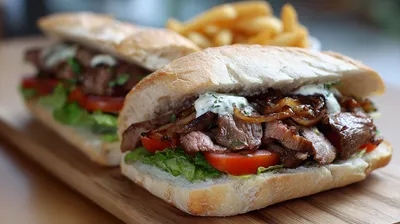
The Steak Sandwich is one of the great Australian lunches. Hot baguette, pink steak, soft caramelised onions and butter that drips. It belongs on a cafe menu, and the cafes doing it well are quietly running one of the best lunch items there is. The technique behind it has been around longer than most people realise, and it's easier than it looks.
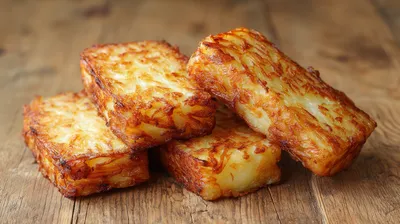
The Rösti has been quietly gaining ground on Australian cafe menus for years. It's a crisp brick of golden potato that sits under the eggs or next to the bacon and does the hash brown's job better. It's Swiss, it's simple, and once your kitchen has the technique down it's a small upgrade that makes a real difference to the breakfast plate.
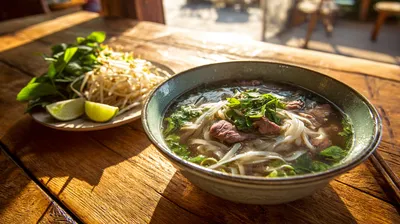
Pho is one of the great soups of the world. A clear, fragrant broth simmered slowly for half a day. Paper thin slices of raw beef, cooked only by the heat of the broth as it hits the bowl. Flat rice noodles, and a side plate of fresh herbs, chilli and lime. Cafes that have started serving it are giving their lunch menu something quietly special, and doing it well is simpler than it looks.
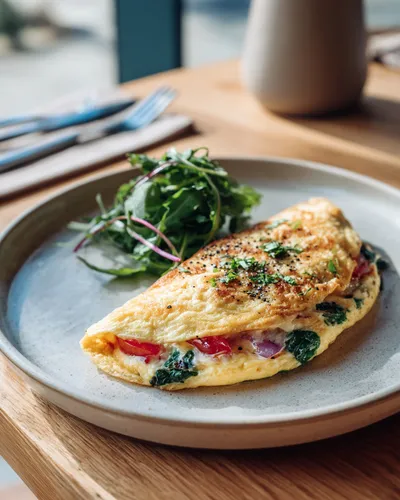
A great Folded Omelette is a bit of theatre. Pale yellow and puffed, just set in the centre, melted Gruyère pulling between the layers, with a slice of toasted sourdough beside it. It's one of the more impressive things a cafe can plate before the coffee has cooled. The cafes that do it well know a few things about air, heat and the lid that most kitchens skip.

The cabinet is the most expensive square metre in a cafe. Every tray in it competes with every other tray, every day. The ones that win are easy to batch, hold their quality through service, look beautiful under glass and sell from a small footprint at a high margin. A classic Lemon Tartlet does all four.
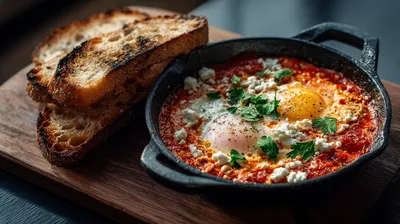
Shakshuka has been on Australian cafe brunch menus for well over a decade, and it has earned its place quietly in cafes that take a Saturday morning seriously. It's a small bubbling pan of spiced tomato sauce with two soft eggs poached into it, scattered with feta and fresh parsley, with a couple of slices of toasted sourdough on the side. It's generous, it's vegetarian, it suits halal customers with the right feta, and you can make the sauce on a Wednesday for the Saturday rush.

Only a handful of vegan breakfast dishes hold up in a cafe cabinet at volume. A Chia Pudding Pot, layered with coconut yoghurt, fresh mango and toasted nuts, is one of them. Done well, it's one of the better cabinet items a cafe can run. You prep it ahead, it looks great in the glass, the portion is generous, and it's made for a customer who will happily pay full price for a breakfast built for them.
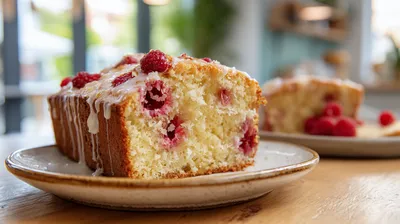
Raspberries peak in Australia in late spring and carry on through summer, and cafes that take their cake stand seriously change it with the season. A Coconut and Raspberry Loaf with a glossy lime glaze is one of the better choices for those months. It looks like the season, it cuts cleanly into ten generous slices, and a freezer trick cafes have used for years keeps it going through the cooler months too.
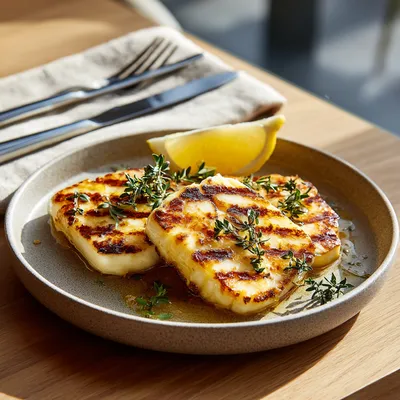
Halloumi is one of the few cheeses on an Australian cafe menu that tells you when you've cooked it right. Cooked properly, it squeaks against your teeth. That squeak is the test, and the cooks who listen for it get halloumi right every time.