
The authenticity trap is mostly about ego
The cafes that try hardest to be authentic when cooking outside their tradition usually fall shortest. The reason is structural rather than skill-based. Authenticity in food requires access to the same ingredients, the same techniques, and the same context as the original. An Australian cafe in Bondi cannot get the same masa flour as a tortilleria in Mexico City, cannot replicate the smoky comal that gives traditional tacos their character, and cannot pretend the customer's expectations are calibrated to the original anyway.
The trap is the assumption that authenticity is the goal. It is not. The goal is for the customer to have a great dish. Authenticity is one possible route to a great dish. Honest fusion is another. The cafes that confuse the two end up with dishes that fail at both.
The honest move is to acknowledge what the dish is: a Mexican-influenced Australian sandwich, made with the best ingredients an Australian cafe can reasonably source, that respects the techniques and flavours of the original without pretending to be the original.
The Aussie-style chipotle pork torta
Take a torta as an example. The traditional Mexican torta is built on a telera (a soft, slightly chewy white roll) with pulled pork, refried beans, avocado, pickled onion, and cotija cheese. Each ingredient has a Mexican supply chain, a Mexican production tradition, and a context the Australian cafe cannot replicate.
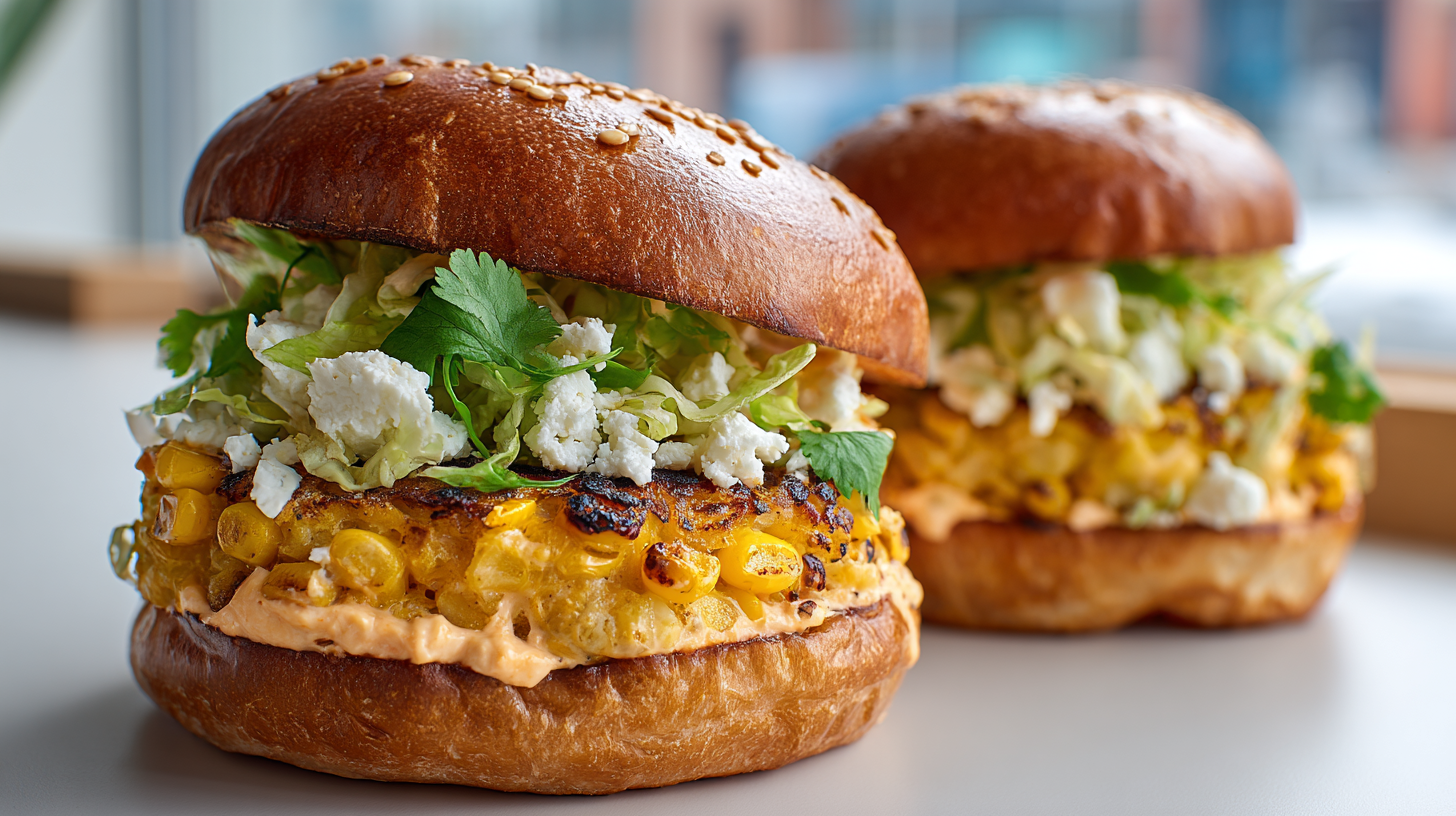
The Aussie cafe version of this dish makes substitutions. Brioche bun instead of telera (because Australian brioche is reliable and good). Black beans simmered with stock and lightly mashed instead of refried (because the texture is more cafe-friendly and the flavour is honest). Feta instead of cotija (because feta is what an Australian cafe can source consistently). Pickled red onion the same way (this one is universal).
The pork itself can stay close to traditional: pulled pork sauteed with onion, garlic, chipotle chillies in adobo, orange juice, oregano and cumin. The flavour profile is recognisably Mexican. The components around it are honestly Australian.
The result is a dish that does not pretend to be a torta from Mexico City. It is something else: a sandwich that takes Mexican flavours seriously, executes them with Australian ingredients, and stands on its own merits rather than trying to convince the customer it is something it is not.
Tell the customer what the dish is
The menu description for this dish should be honest about what it is. "Aussie take on a Mexican torta" or "chipotle pulled pork sandwich, Mexican-style" both work. "Authentic Mexican torta" does not. The customer can read past the marketing language; describing the dish honestly invites them in rather than setting them up to be disappointed.
The same principle applies to heat level. Chipotle is smoky-warm rather than truly spicy. Australians who have not encountered chipotle before need to know what they are getting. "Mild-medium smoky heat. Warming, not really spicy." That description sets the right expectation. A customer who knows what to expect does not get a surprise. A customer who gets a surprise leaves a bad review.
This kind of honesty is undersold as a customer experience tool. Most cafe customers respect a kitchen that tells them what the dish is more than they respect a kitchen that oversells it. Honest fusion is a marketing position as well as a culinary one.
The "Aussie take on" framing also gives the kitchen permission to make sensible substitutions when ingredients are bad. Avocado quality dips in winter; a crisp coleslaw substitute keeps the dish workable. Pickled red onion can be replaced with quick-pickled cucumber if onion stocks are poor. The honest framing covers what the kitchen does without forcing apology.
The four execution points that decide the dish
The pork must be hot. Pulled pork held warm in a bain-marie at 63 degrees Celsius or above. Cold pork on a hot brioche bun gives a soggy collapse. Hot pork on a toasted bun stays structural. This is non-negotiable.
The avocado is sliced to order. Pre-sliced avocado browns within an hour and sweats moisture into the bun. Slicing at service takes 20 seconds and keeps the dish bright and dry.
The black beans should be thick and spreadable. Too liquid and the bun goes soggy at service. The correct consistency is jam-like: spoonable but holding its shape on the bread.
The brioche bun is toasted on the cut sides only. Light golden, 30 to 45 seconds on a flat-top. The exterior stays soft so the customer can pick the sandwich up without it cracking. The interior is sealed against the wet ingredients.
Honest fusion beats failed authenticity
The Mexican-Australian sandwich is not the dish you would order in Mexico City. It is a different dish, designed for an Australian cafe context, that takes Mexican flavours seriously without pretending to be something it is not. That kind of honest fusion is having a moment in serious Australian cafes precisely because it works: the dish is genuinely good, the customer knows what they are getting, and the kitchen is not constantly fighting the gap between aspiration and execution.
Stop trying to be authentic. Start being honest. The dish gets better, the customer gets a clearer experience, and the cafe stops apologising for what is on the plate.