
A great soup, properly understood
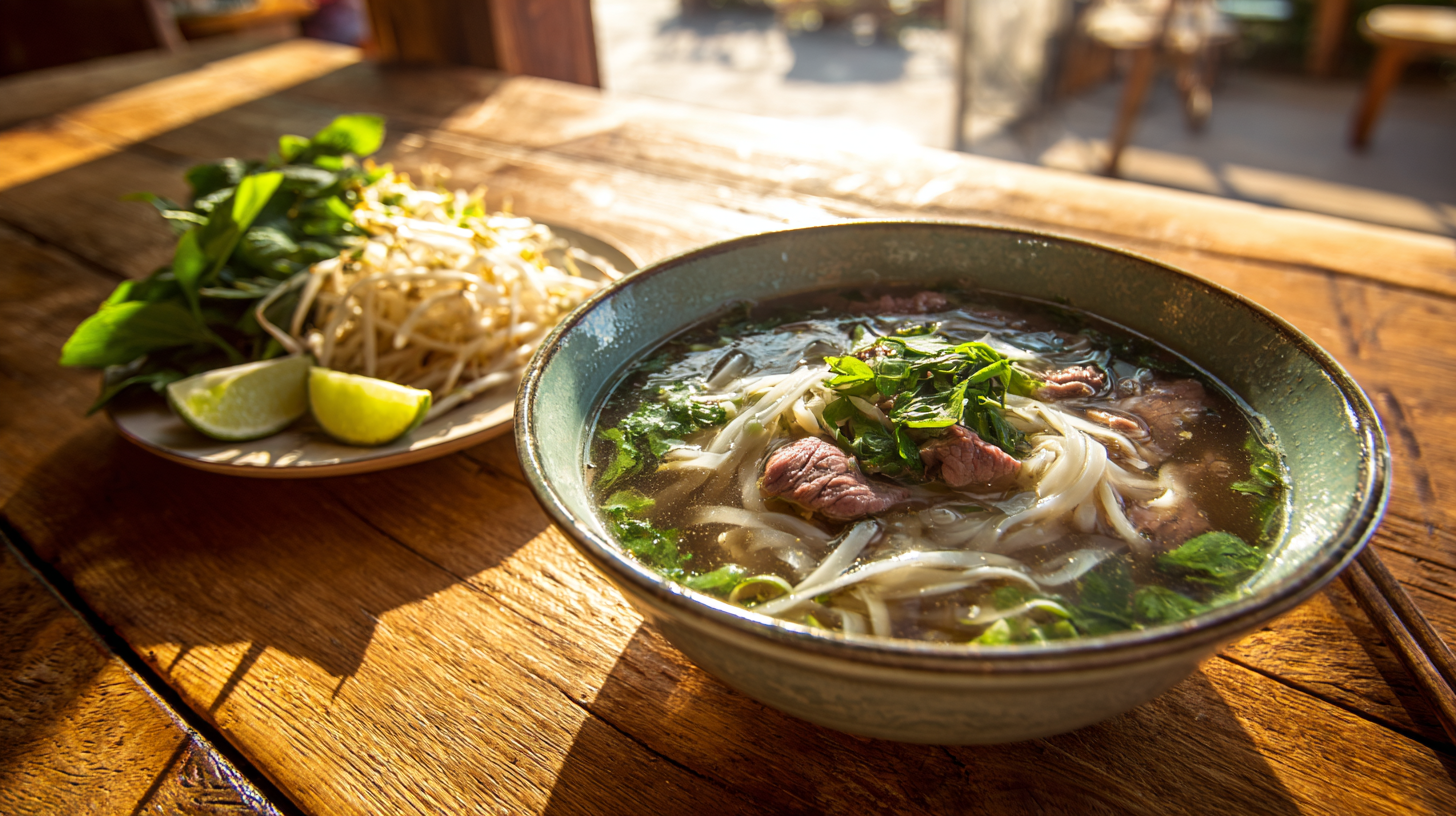
Pho is the national soup of Vietnam and one of the great bowls of food anywhere in the world. The broth is clear, fragrant and beef-deep. The noodles are soft and flat. The beef is sliced so thin you can see the spoon through it. And the side plate of bean sprouts, mint, Thai basil, coriander, sliced chilli and a wedge of lime is part of the dish, not a garnish. The customer builds the bowl at the table, one squeeze and one handful at a time.
It belongs on more cafe menus than it currently sits on. The reason it is not there is mostly a perception problem. Pho looks specialist. The list of ingredients is long. The broth takes hours. None of that survives a closer look. The technique is unfussy, the prep is mostly unattended, and once a kitchen has the broth in the cold room, the dish hits the pass faster than a bacon and egg roll.
The broth is the dish
Everything good about a pho lives in the broth. Get the broth right and the rest is assembly. Get the broth wrong and there is nothing the herbs or the lime can do to save the bowl. So the broth is where the work goes.
The method is the same in every kitchen that takes the dish seriously. A small handful of whole spices (cinnamon stick, star anise, cloves, fennel seeds, coriander seeds, black peppercorns) goes into a dry stockpot and is toasted for a minute or two until fragrant. Water and beef stock powder go in next, around seven litres for a ten-portion batch, with a few thick slices of fresh ginger. The pot comes up to a gentle simmer, the heat drops to low, and the broth is left alone for four to six hours.
The one rule, the rule the dish lives or dies on, is that the broth must never boil. A boiling broth turns cloudy and bitter. A simmering broth stays clear and sweet. The temperature window is narrow, between 85 and 95 degrees, and a probe thermometer is the cheapest insurance a kitchen can buy for the dish. The seven litres of water reduces by around a third over the simmer, leaving roughly four and a half litres of finished broth, which is 450ml a serve. After the simmer, the broth is strained through a fine sieve, the spices and ginger discarded, the broth cooled fast and held cold for service.
That is the whole technique. There is a prep step for the beef, which is sliced paper-thin and tossed with fish sauce, five-spice and garlic. There is a garnish prep, which is herbs picked, chilli sliced, lime wedged, sprouts washed. None of it takes more than half an hour. The four-hour broth simmer is the only long step, and it is unattended.
What lifts a pho from good to great
Once the broth is right, the dish is judged on four small things, each one easy to get wrong and easy to get right.
The clarity of the broth. A great pho broth is the colour of weak tea and clear enough to read newsprint through. Cloudy broth is the single most common fault and the cause is almost always a boil that crept in. Hold the simmer below a boil for the entire cook and the broth comes out clean.
The thinness of the beef. Sirloin sliced against the grain, as thin as the kitchen can manage. Thirty minutes in the freezer firms the beef enough that a sharp knife slides through cleanly. The slices should be translucent. When the boiling broth hits them in the bowl, they cook to rare in seconds and stay tender. Thick slices stay grey and tough.
The herb plate. Bean sprouts, mint, Thai basil, coriander, a few rings of red chilli and a wedge of lime, all on a small side plate beside the bowl. The plate is the customer's tool. They tear the herbs into the broth, add the sprouts in handfuls, squeeze the lime, decide how much chilli they want. A bowl served without the plate is a bowl that has had half its dish removed.
The temperature of the pour. The broth must be at a full rolling boil when it goes over the beef. Bring it back to a boil in a small saucepan to order if the bulk pot has dropped below. The whole point of the technique is the boiling broth cooking the raw beef, and a tepid pour leaves the beef grey and the dish cold.
A bowl that earns its place
A cafe-made pho lands at around five to six dollars a serve in food cost, with the beef and the rice noodles doing most of the heavy lifting. On a well-judged menu, the bowl sells for twenty to twenty-four dollars. The food cost percentage sits around 25 to 30, which is excellent for a substantial lunch, and the dish carries enough presence that it can be the centre of the menu rather than a side option.
What it does for the room is harder to put a number on. A cafe that serves a proper pho gets known for it. The bowl photographs beautifully, with the herb plate beside it and the steam rising off the broth. Regulars come back for the same dish on a Tuesday lunch in winter for months on end. And the dish carries across cuisines and dietary preferences without much editing, which is a useful thing for a menu that has to cater to a wide room.
The bowl worth the simmer
Pho is one of the most generous dishes a cafe can serve. The broth has been on the stove since morning, the beef has been hand-sliced for the bowl, and the herb plate gives the customer a small piece of agency in how their lunch finishes. None of the pieces are difficult on their own. What is required is the willingness to give the broth its time and to keep it below a boil for the four hours it asks for.
Build the broth on a quiet morning. Slice the beef on a board with a sharp knife. Pick the herbs. Pour the boiling broth from a clean ladle. The customers who have been hoping to find it on a cafe menu will keep coming back to the bowl that does it right.
The dish has been on the menu in Vietnam for over a hundred years. The cafes serving it well in Australia are doing the same craft, the same way, and earning the same kind of loyalty for it.